- Objectives
- Unique features
- Target audience
- Organization of sections
Objectives
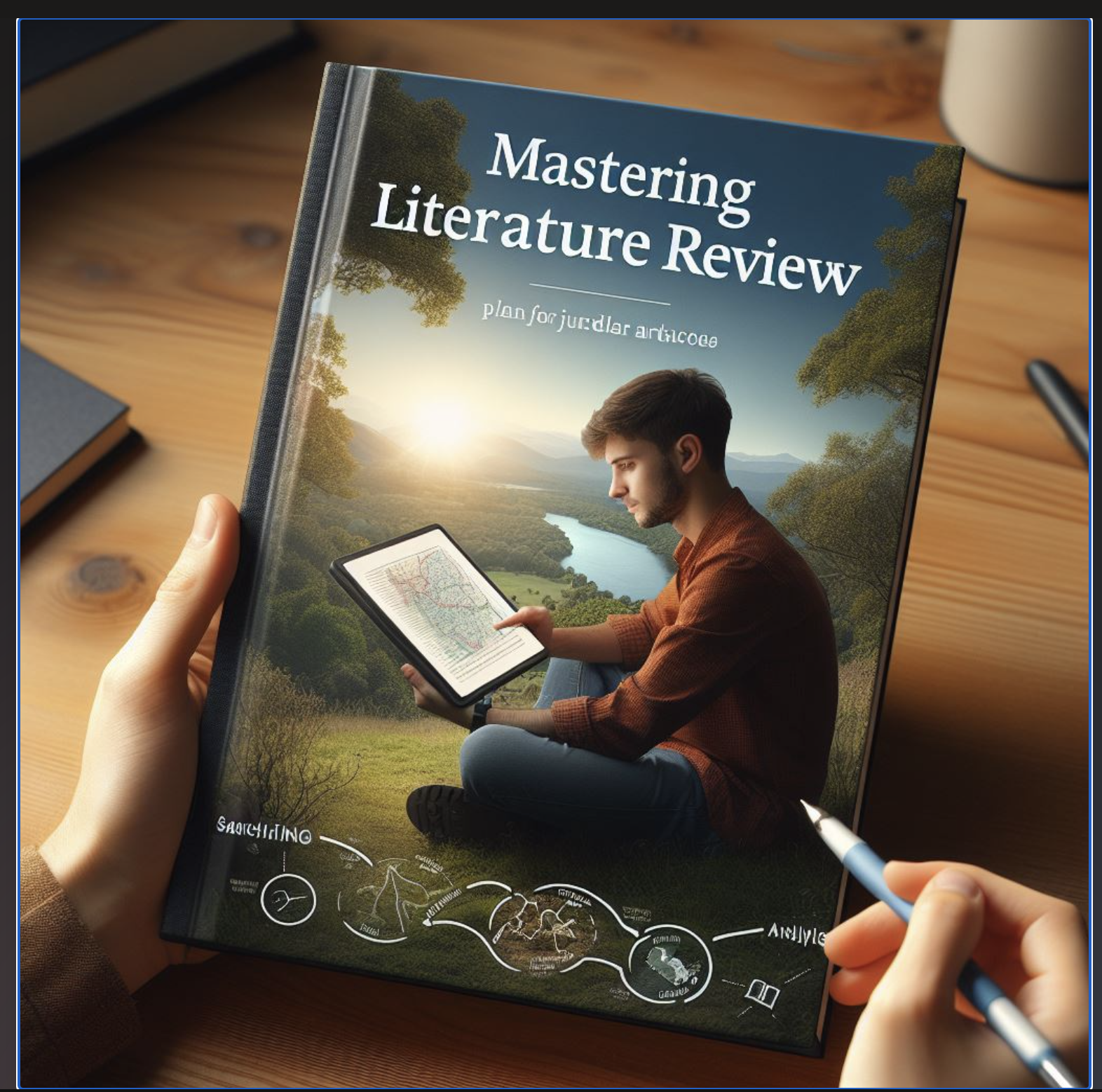
The existing textbooks are mostly authored from a single vantage point (perspective). The authors’ goal was to develop a guide that synthesizes insights from writing instructors, librarians, subject matter experts, evidence synthesis specialists, and research methodologists. The textbook offers a holistic approach, blending practical research and writing strategies, methodological rigor, and subject-specific considerations. Included instructional materials
Learning objectives for students depend on the type of literature review they plan to conduct. If they are writing a research paper for an English composition course or learning about a subject or discipline through active analysis of required readings.
Unique Features
Collaborative authorship or contributions from diverse experts
Sections are tailored to different stages and to different types of literature review.
Evidence-based strategies and best practices
Combining recommendations for students (undergraduate and graduate), instructors, and support groups (librarians, writing center specialists, and methodologists)
Practical examples from the education field
Guidance on integrating subject knowledge and methodology
Tips on effective writing for clarity, coherence, and academic integrity
A web-based, constantly updated textbook companion
Target audience
Although the primary target audience for this textbook is students enrolled in courses at the College of Education and those engaged in education research, the content should be broadly applicable. Novice researchers and students from various disciplines can benefit from its focus on the fundamental methodology behind literature review and evidence synthesis. The book emphasizes crucial skills such as retrieving and analyzing research evidence, organizing, synthesizing, writing, and applying technology, making it a valuable resource across multiple fields of study.
Organization of sections
Every chapter is organized to help readers apply the Survey, Questions, Read, Recite, Review (SQRR) method, one of the most widely recommended techniques for facilitating a textbook study and reading. This study method, suggested initially by Robinson (1947, p. 19), is designed to help readers become engaged. Authors have an idea; why not apply the study techniques to writing this textbook? The idea is that structuring chapters according to these steps can guide students through a more active and effective learning process.
Every chapter starts with “Survey,” an overview of the content that highlights key headings, subheadings, and objectives. This would allow readers to quickly grasp the big picture before diving in.
Question. Instead of just presenting information, the chapter could pose guiding questions at the beginning of each section or subsection. These questions would prompt readers to engage with the material and seek answers as they read.
Read. The reading section would be structured to encourage active reading by including interactive elements, illustrations, and clear markers for essential concepts.
Recite. Small assignments or tasks in each section for readers to pause and for a quick check or self-test.
Review. Chapters could end with review questions, practice problems, or links to the web-based interactive content to help solidify learning and facilitate retention.
Robinson, F. P. (1970). Effective Study. 4th ed. Harper & Row